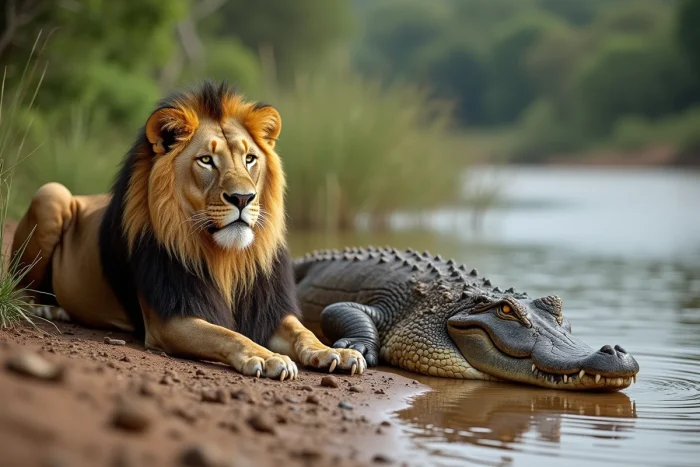
Some species known to be harmless cause more deaths each year than iconic large predators. The danger posed by an animal is not always measured by its size or reputation.
Global statistics overturn expectations: the top deadly animals do not fit the image of the fierce predator lurking in the jungle. The numbers tell a different story, one made up of transmissible diseases, fatal bites, and a sometimes deceptive closeness between humans and wildlife. This data forces a radical reevaluation of the notion of danger and places the perception of risk back into reality, far from clichés.
Why are some animals considered dangerous?
The idea that only strength or visible aggression determines animal danger does not hold up against the facts. Among all creatures, the mosquito reigns supreme: carrier of diseases such as malaria, dengue, and chikungunya, this tiny insect causes between 700,000 and 1,000,000 human deaths each year. Far ahead of all those that make collective imaginations tremble.
The snake also strikes hard. Between 100,000 and 138,000 people die from snake bites each year, often in regions lacking quick access to antivenom. The dog then ranks next in this grim tally: rabies, when not combated by vaccination, leads to 25,000 to 59,000 deaths annually, primarily affecting the most vulnerable.
A quick glance at dangerous animals in the world is enough to shake preconceived ideas. The freshwater snail, often overlooked, carries schistosomiasis and is responsible for tens of thousands of deaths each year. The list also includes the tsetse fly, the assassin bug, the scorpion, and many others. Even the crocodile, hippopotamus, or elephant remind us that raw power should not be taken lightly: their encounters, too close, can sometimes turn tragic.
Ultimately, the notion of danger in animals is established on a fragile balance between proximity to humans, the virulence of venom or parasites, defensive behavior, and access to care. The real peril often hides where it is least expected.
Top 10 most dangerous animals in the world and their astonishing statistics
Some names regularly appear in the statistics, far from the monsters of our nightmares. This ranking paints a picture of a polymorphic threat:
- Mosquito: each year, 700,000 to 1,000,000 deaths, primarily due to malaria, dengue, chikungunya, or the Zika virus. The most affected areas? Africa and Asia, but the danger is now spreading to other continents.
- Snake: 100,000 to 138,000 victims per year, mainly in rural Southern areas where treatments remain rare or inaccessible. The venom acts quickly, leaving little time to react.
- Dog: 25,000 to 59,000 people die each year from rabies, due to a lack of widespread vaccination; it is often children who pay the heaviest price.
- Freshwater snail: transmitted by schistosomiasis, this discreet mollusk causes between 20,000 and 200,000 annual deaths, most of which go unnoticed.
- Assassin bug: 10,000 to 12,000 deaths each year from Chagas disease, primarily in Latin America.
- Tsetse fly: about 10,000 deaths per year, victims of the sleeping sickness spread by this seemingly ordinary insect.
- Scorpion: between 3,000 and 3,300 deaths, especially among children living in desert or tropical regions.
- Crocodile: around a thousand lives lost each year, particularly on the banks of African or Asian rivers.
- Elephant: 100 to 600 deaths, occurring during chance encounters that turn aggressive, especially when territorial defense comes into play.
- Hippopotamus: about 500 annual deaths, a legacy of sudden charges and a character far less placid than it seems.
The contrast is striking: danger does not always roar; it can bite, sting, transmit a simple bacterium or virus. Each statistic, behind its number, hides daily stories and a constant adaptation of human health to the surrounding fauna.
Preconceived ideas: when the fear of animals does not reflect reality
The apprehension that certain animals evoke is often just a cultural construct. Take the lion, the embodiment of the mythical predator: it causes 200 to 250 human deaths each year, mainly in Africa. Next to it, the African buffalo, known for its unpredictability, causes about as many losses, particularly against those who get too close.
In contrast, discreet creatures sometimes prove to be more formidable than one might imagine. The cone snail, seemingly peaceful, manages to kill 10 to 20 people each year by deploying a devastating neurological venom. The box jellyfish, on the other hand, goes almost unnoticed in the water, but its venom kills about 40 people annually, often within minutes. The stonefish, a champion of camouflage, causes panic among less experienced divers: its sting, although rarely fatal, remains one of the most painful in the world.
It is important to remember that only a minority of scorpions possess venom that is truly deadly to humans, yet their persistent image frightens beyond reason. Humans also contribute to the macabre tally: 400,000 to 546,000 homicides are recorded each year worldwide, far surpassing most animal species.
We remember the fangs, the claws, the deep rumble… Yet, it is often the silent threats, microscopic or invisible, that strike the hardest. Fear, shaped by our stories, obscures the raw reality: sometimes, life hangs by a thread in front of a simple insect. Enough to change our way of looking at wildlife on the next walk.