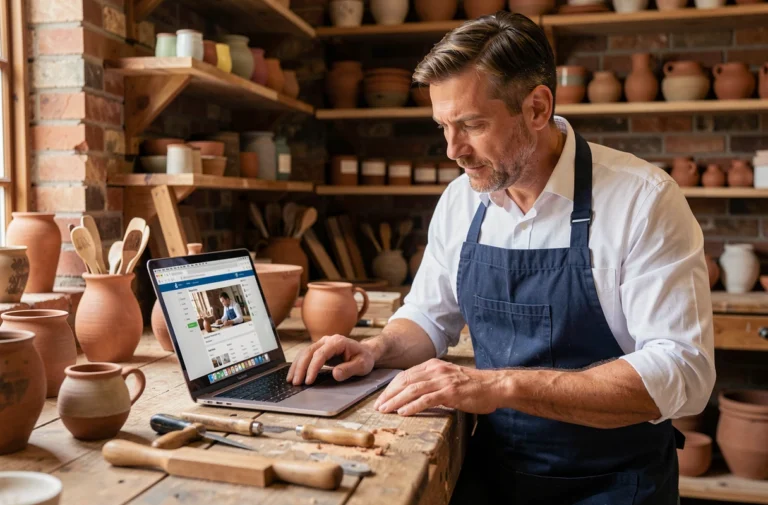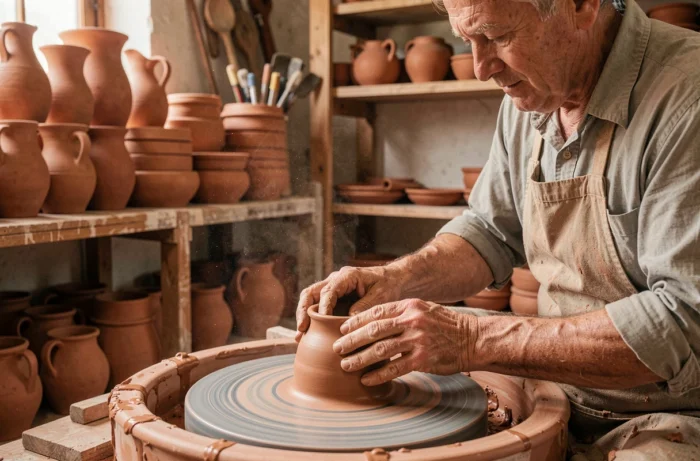
When a baker refuses to switch to frozen dough because his slow kneading produces a crumb that no industrial line can replicate, we touch on the core of craftsmanship: a technical gesture that determines the quality of the finished product. This direct link between the hand and the result distinguishes the artisanal sector from standardized production and explains why it remains an economic and social pillar in France.
Legal framework of craftsmanship: what has changed since 2023
Since July 1, 2023, the Craft Code redefines the sector by the nature of the activity (production, transformation, repair, service provision) and by a threshold of fewer than 11 employees at the time of registration. The Directory of Trades has been integrated into the National Business Register, with centralized formalities via the INPI’s single window.
In practical terms, a carpenter who hires his twelfth employee does not lose his artisanal status overnight, but the threshold of 11 employees sets the entry perimeter. This clarification, stemming from the ordinance of September 15, 2021, simplifies the procedures for creators of artisanal businesses.
We can delve deeper into the importance of craftsmanship according to BestWeb to grasp the precise characteristics that separate artisanal activity from commercial activity within this new framework.
Craftsmanship and local employment: a concrete territorial network
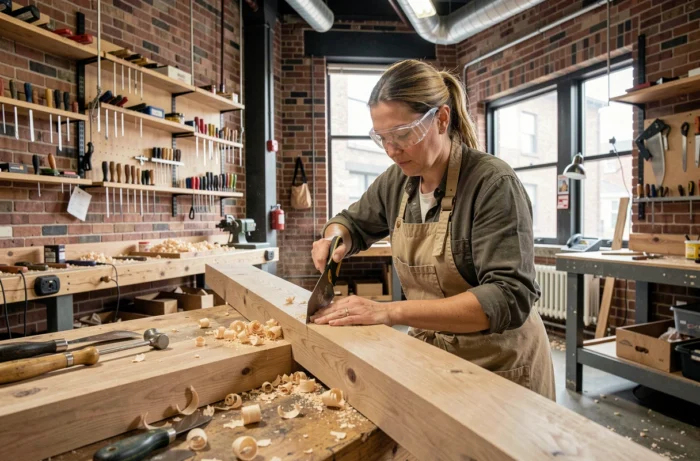
In a rural community, the closure of an auto repair shop or a bakery does not merely result in the loss of a service. It means an extra trip for residents, a decline in foot traffic for neighboring businesses, and sometimes one less argument to attract new residents.
The artisan generates economic activity where large retailers do not set up shop. Their clientele is local, their suppliers are often regional, and their profits remain within the territory. This short circuit of added value explains why local authorities support the establishment of artisans in declining town centers.
The artisanal sector encompasses over 250 trades divided into four main areas:
- Construction (masons, electricians, plumbers), which represents the largest share in terms of the number of businesses and meets structural needs for energy renovation
- Food (bakers, butchers, caterers), where manual know-how creates a difference in taste and traceability that is perceptible to the consumer
- Production (cabinetmakers, ceramists, jewelers), often associated with art trades and custom creation
- Services (hairdressers, mechanics, dyers), rooted in daily life and difficult to relocate
This diversity makes craftsmanship resilient to sectoral shocks. When construction slows down, artisanal food or repair services continue to thrive.
Transmission of artisanal know-how: an underestimated blind spot
We often talk about the beauty of the artisanal gesture, but rarely about what happens when no one takes over the workshop. A minority of artisan leaders had initiated a transmission process in 2023, according to the study “Les Éclaireurs” by the Institute for French Know-How. The problem is twofold: finding a successor and transferring know-how that cannot be contained in a manual.
A glass master retiring takes with him decades of empirical adjustments, cooking reflexes, and material choices that only prolonged practice teaches. The CAP remains the primary pathway to access artisanal trades, but post-baccalaureate training is progressing, attracting more diverse profiles towards apprenticeships.
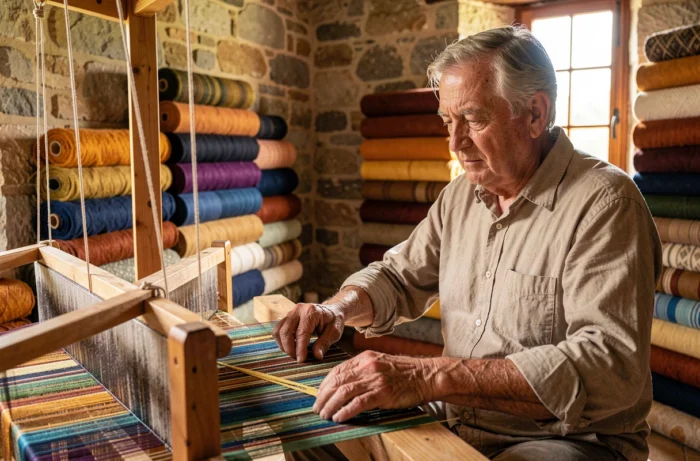
Feedback varies on this point, but the increase in the number of apprentices observed since 2018-2019 seems to mark a plateau. The growth recorded in 2022-2023 is less pronounced than the previous year. Without an active policy to connect sellers and buyers, entire segments of know-how risk disappearing, not due to a lack of demand, but due to a lack of organization.
Craftsmanship and responsible consumption: beyond the organic label
Buying artisanal is not merely an aesthetic choice. It is a decision that has measurable consequences on the product’s lifespan, the amount of waste generated, and the working conditions of the maker.
A piece of furniture made by a local cabinetmaker with traced wood can be repaired. A flat-pack piece bought at a big box store is thrown away at the first move. Repair is an integral part of the artisanal model, aligning this sector with the growing expectations of consumers regarding sustainability.
Several factors reinforce this convergence between craftsmanship and responsible consumption:
- The traceability of materials, often displayed directly by the artisan (source of leather, origin of wood, composition of flours)
- Production in small series, which limits unsold items and resource waste
- The price, higher at purchase but often more cost-effective over the product’s lifespan, because the quality of craftsmanship delays replacement
Recent consumption trends show a growing interest in authenticity and personalization. Consumers who choose an artisanal product are not just looking for an object: they are buying a transparent manufacturing process and a direct connection with the creator.
Craftsmanship and creation: what the hand brings to art
The boundary between craftsmanship and art remains porous, and this is a strength. A ceramist who develops their own glazes works as much on technique as on expression. The artisanal gesture produces variations that machines cannot replicate, and these variations are precisely what give value to the finished product.
Art trades illustrate this fusion. Gilders, lacquerers, instrument makers: these artisans operate at the intersection of centuries-old techniques and contemporary commissions. Their activity feeds into the French luxury sector, the restoration of built heritage, and the creation of unique pieces for discerning individuals.
Craftsmanship does not survive out of nostalgia. It persists because it meets needs that industry does not cover: proximity, reparability, traceability, and uniqueness. The real risk today is not that consumers lose interest in artisanal work. It is that too few professionals are trained and supported to take over.